Water extraction
Equipment may remove water from floors and other affected surfaces after an indoor plumbing leak or overflow.
A plumbing leak or an overflowing fixture or appliance can affect floors, walls and nearby materials. Explore indoor water assessment, extraction, structural drying and cleanup options.
Call (215) 818-8599Service options and provider participation vary by location.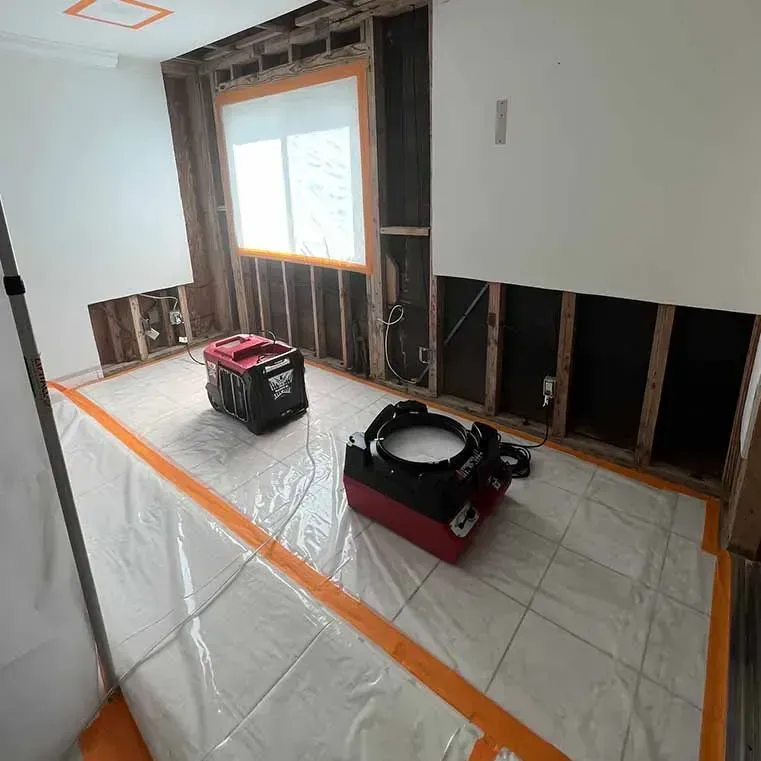
The source, affected area and materials help guide the next steps.
Equipment may remove water from floors and other affected surfaces after an indoor plumbing leak or overflow.
A moisture review can help identify affected materials and areas that may need drying.
Air movement and dehumidification may be used to dry floors, walls and enclosed spaces.
Cleanup and restoration options may follow once the indoor water source has been addressed.
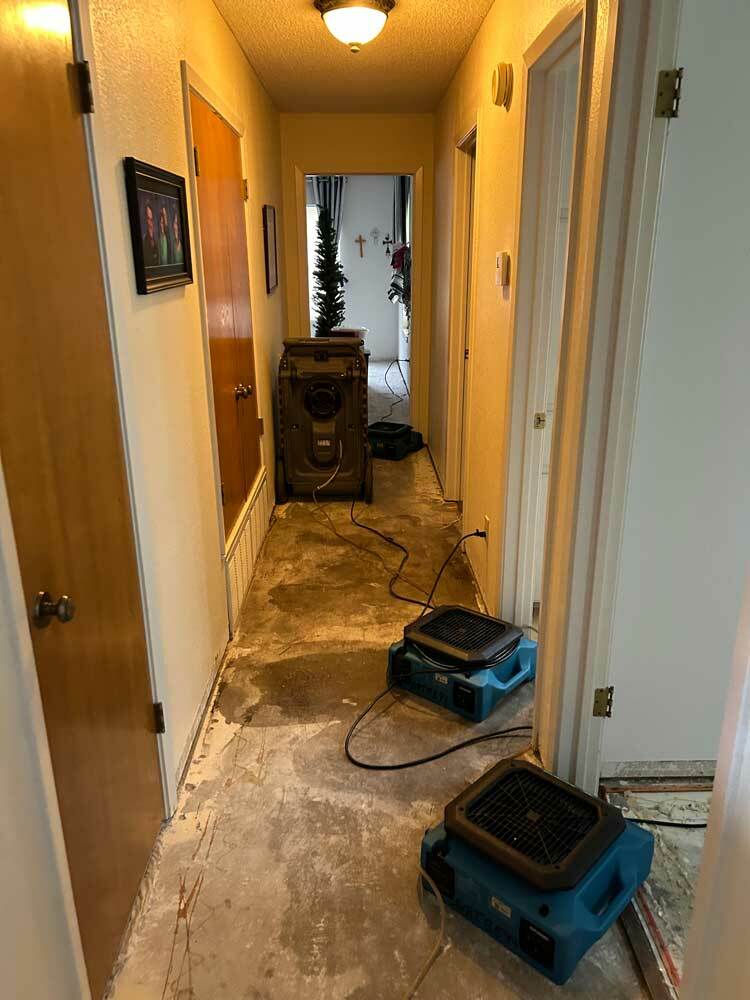
Water can move into flooring, trim and wall materials. A moisture assessment can help guide equipment placement and drying progress for the affected indoor area.
A pipe connection or household supply line can release water into cabinets, walls or nearby flooring.
A sink, toilet, tub, washing machine or dishwasher overflow may affect adjoining surfaces.
If safe, stop the indoor source and avoid standing water around electrical equipment while arranging qualified help.
Service choices depend on the home and participating provider.
Options focus on plumbing leaks, burst pipes, fixture or appliance overflows, moisture assessment, extraction, drying and cleanup.
A moisture review can help identify where water has moved and which materials may need drying.
Air movers and dehumidifiers may be positioned to circulate air and remove moisture from affected indoor materials.
Call to discuss service options in your area.